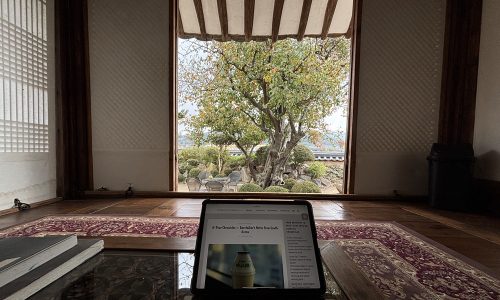
The K-Pour Chronicles | Going Back to Korea
There’s a pull Korea has on me that I still can’t quite name. It’s the bars, of course. The bars alone are reason enough. The late-night intensity of Seoul, the quiet confidence behind so many Korean bar counters, the ferment and umami, the ingredients that make you stop halfway through a sip and wonder exactly what just happened. But it’s not only what ends up in the glass.
It’s the people behind it. The conversations that begin with a cocktail and somehow end somewhere completely different. The warmth of being welcomed into a bar thousands of kilometres from home and, for a few hours, feeling that you belong there. That, more than anything, is why I love travelling for bars. A good drink can stay with you for a long time. The people and stories around it tend to stay even longer.
And Korea has stayed with me. So yes, I’m going back. Third time now, if anyone’s counting. In truth, Korea has been quietly following me around between trips anyway. There are the K-dramas, for one — an ongoing habit by now, and probably more episodes than I should publicly admit to. I love the way they linger on things: a shared meal, a quiet moment, a look held just a beat too long. Maybe some of that has found its way into the way I travel, too. I find myself looking for those small moments now. Sitting at a bar. Watching. Listening. Letting a story take its time.
Then there’s the writing itself. Somewhere along the way, writing about bars became almost as important to me as visiting them. I love sitting down afterwards, usually with the memory of a drink still fresh, turning an evening over in my head and trying to find the words that hold it. The bartender, the conversation, the room, the flavours, the tiny details you don’t realise you’ve noticed until you start writing.
Half the joy of going back is knowing there will be more of those stories to tell. This time, I’ve also been doing my homework. I’ve been teaching myself Korean, slowly and stubbornly, the way you learn something out of love rather than necessity. I can read Hangul now. More or less. If you give me time. Quite a lot of time, actually. Hangul still asks for patience. I’m happy to give it.
And perhaps knowing even a little more of the language will open another door. Maybe conversations will go a little further. Maybe I’ll understand something I missed the first two times. That is part of travelling, too: returning to a place you thought you knew and discovering how much you still don’t.
The journey begins in Busan, with a week at language school. After that, three or four weeks unspool ahead of me: Busan, Jeju Island, Daegu, Gyeongju, Seoul, familiar bars I’ve never quite stopped thinking about and, hopefully, plenty of doors I don’t yet know I’m going to walk through. There will be cocktails. There will almost certainly be late nights. There will be Korean sentences spoken far too slowly. And, if past trips are anything to go by, there will be people who remind me why I started Barstalker in the first place.
The K-Pour Chronicles bring together the stories of that journey — one bar, one conversation, one story at a time. From familiar faces to unexpected encounters, from first sips to heartfelt goodbyes, it’s all here. Pour yourself something nice, settle in and join me at the bar counter. 🇰🇷🍸
Make Zero in Busan — The Drinks Bring You In, Everything Else Brings You Back
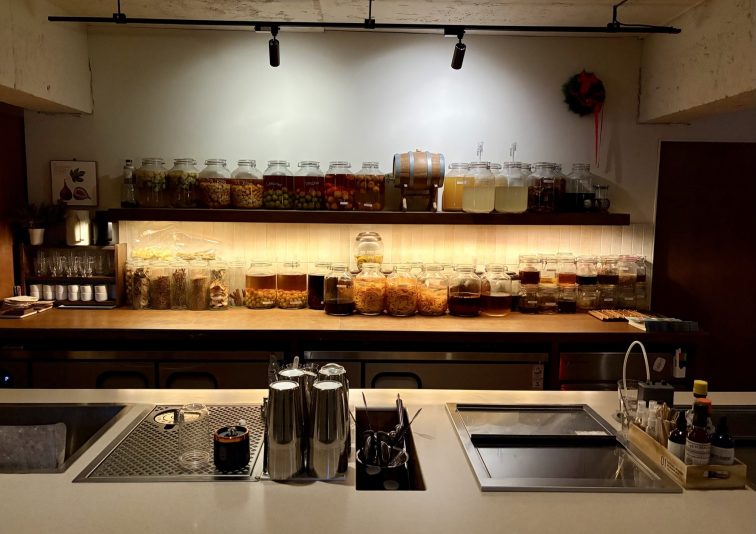
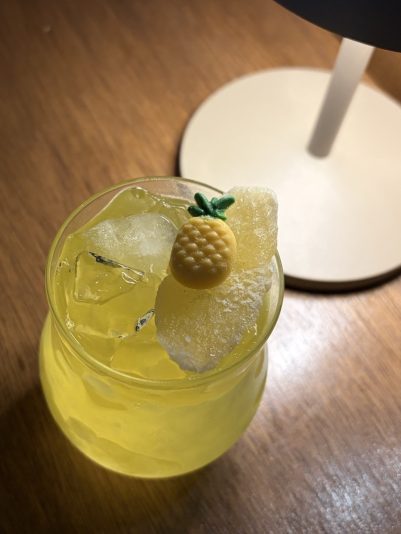
Some bars stay with you long after you leave them, and Make Zero is one of those places for me. More than a year after my last visit, I found myself sitting at the counter again, curious to see whether it would feel as good as I remembered. It did. The concept is still strong, the atmosphere still has that effortless energy, and the drinks are still thoughtful, beautifully made and full of ideas.
Read the full story →
This time, I arrived just in time to catch the last days of the summer menu, with autumn already waiting around the corner. And then something happened that made the return even better: I was remembered. More than a year had passed, yet there was a familiar smile from behind the bar as soon as I walked in. It was a small moment, but one that immediately made the place feel familiar again. And that warmth extends to the whole team. Before long, I was back where I like to be — sitting at the counter, drinking, talking and discovering what they had been working on since my last visit.
And I didn’t leave it at one visit. During my stay in Busan, I went back four times. That probably tells you more about how I feel about Make Zero than any ranking or recommendation ever could. Each visit brought another drink, another conversation, another detail to discover.
The team takes the time to explain their cocktails, not as if they are reciting a menu, but because they genuinely want you to understand what is in front of you — the ingredients, the idea behind it, the techniques, and those little details that turn an interesting combination into something distinctly Make Zero. There is serious knowledge behind what they do, but it is shared with generosity rather than distance.
At Make Zero, the cocktail may bring you through the door, but it is the hospitality, the details and the people behind the bar that make you want to return.
And the details extend well beyond the cocktails. Make Zero has its own pâtissier, creating small desserts to accompany an evening at the bar. A delicate Mont Blanc with chestnut cream, a little slice of fruity cheesecake — not oversized restaurant desserts, but small, delicious additions that somehow feel completely at home here.
The music is another detail that is easy to underestimate. It never fights for your attention. It sits quietly in the background, fitting the mood and, somehow, even the flavours of what is happening in the glass.
I have always believed that a cocktail needs a stage.
The drink itself might account for only ten or fifteen percent of the entire bar experience. There is the music, the light, the interior, the glassware, the person behind the counter, the people sitting beside you, the conversation, the temperature of the room — all those things we absorb without necessarily noticing them.
Yet the cocktail is still the reason we choose one bar over another in the first place. It has to be good enough to get us through the door, and everything around it has to make us want to stay.
Make Zero understands that balance exceptionally well. Nothing feels accidental. Even the music follows you to the bathroom — yes, the toilet has its own soundtrack. It is a tiny detail, slightly amusing perhaps, but also strangely telling. The experience doesn’t simply stop when you leave your seat at the counter.
And perhaps that is what I remembered so clearly. A great bar experience is never just one thing. It is the drink in front of you and the person who made it. It is the music behind the conversation, the light falling across the counter, the room around you and the hospitality that connects it all. At Make Zero, those things simply come together.
Sitting there again also reminded me of something else about travelling for bars: somewhere along the way, it has become as much about returning as discovering. Returning to a seat at the counter where somebody remembers your face. To conversations that somehow pick up again after more than a year. To drinks that make you curious about what the team will come up with next. To that strange and wonderful feeling of being thousands of kilometres from home and finding something unexpectedly familiar.
Make Zero has become one of those places for me. I went back four times on this trip alone, not because of one particular cocktail or one particular moment, but because the whole thing works.
The drinks give me a reason to walk through the door. Everything surrounding them gives me a reason to come back.
And I certainly will.
The Aviary in Ulsan — Small Bar, Big City
After our visits to Make Zero, it was finally time to leave Busan behind. Not easy, admittedly. There are worse problems to have than becoming a little too comfortable at a favourite bar. Our next stop was Ulsan.
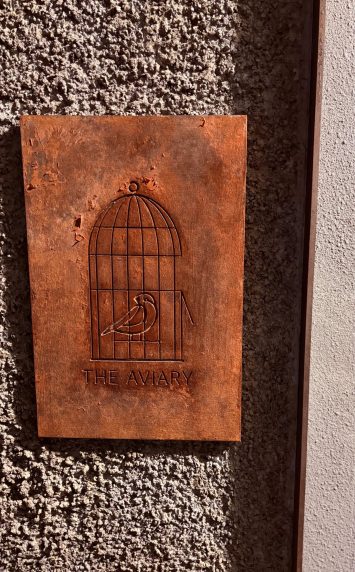
Read the full story →
Ulsan is perhaps not the first name that comes to mind when planning a cocktail journey through Korea. The city is better known for considerably bigger things. This is Hyundai territory — cars, shipbuilding, enormous industrial complexes and a skyline shaped in part by South Korea’s remarkable economic rise.
And then there are the whales. Ulsan’s relationship with them goes back a long way, particularly around Jangsaengpo, once an important centre of Korea’s whaling industry and today home to museums and cultural spaces preserving that history. It gives the city another identity altogether, somewhere between industry and sea. But, as usual, I was looking for something considerably smaller. A bar. More precisely, The Aviary. And small it certainly is.
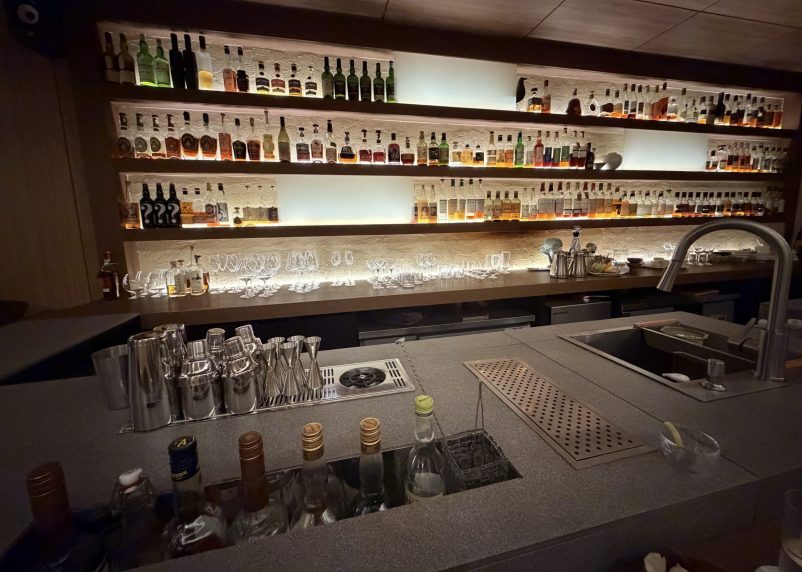
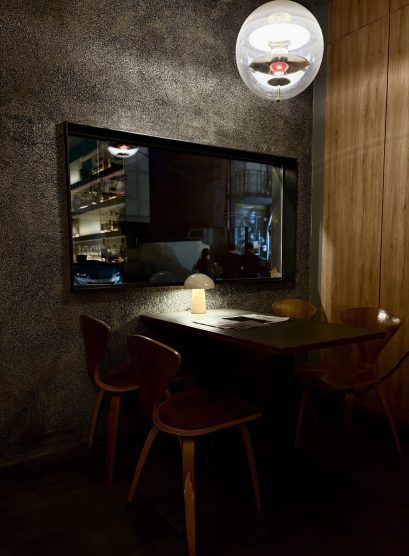
The Aviary is one of those intimate little bars where you immediately become aware of the counter, the bottles behind it and the person standing on the other side. There isn’t much room for distance — which, as you probably know by now, suits me perfectly.
Whisky has a strong presence here, and you could quite happily spend an evening exploring the bottles. But I came for the cocktails, and I’m glad I did. What I particularly enjoyed was the restraint. The drinks were flavourful and carefully crafted, but nothing felt unnecessarily complicated. The balance was right, the flavours clear, and each drink seemed to know exactly how much it wanted to say. Sometimes that is enough.
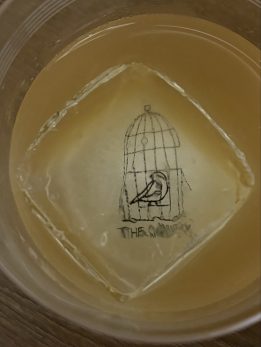
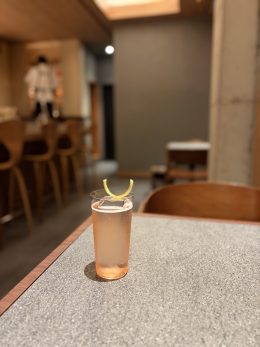
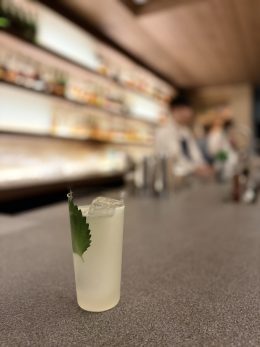
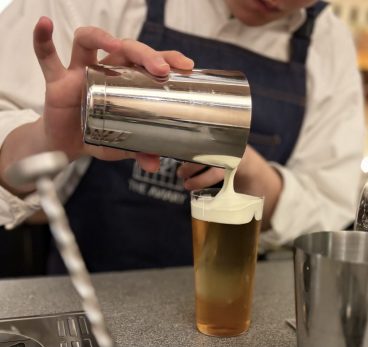
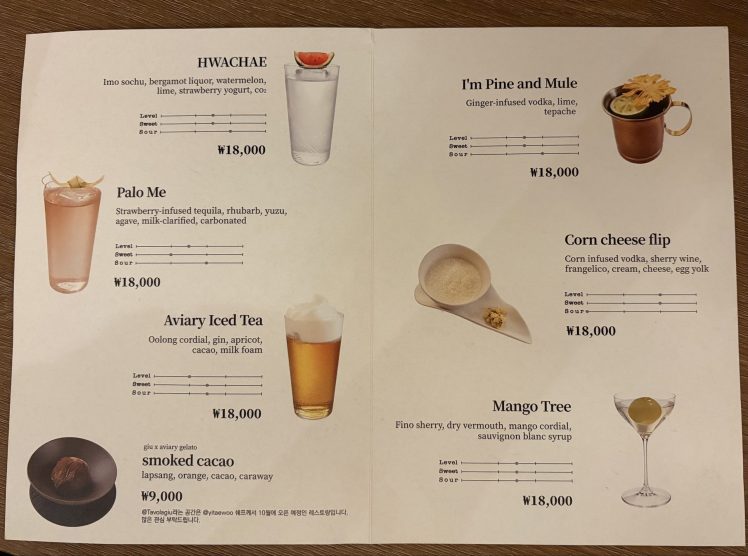
A well-made cocktail can be interesting without shouting about how interesting it is.
After all, creativity doesn’t always have to arrive with ten ingredients, elaborate techniques and a lengthy explanation. A well-made cocktail can be interesting without shouting about how interesting it is. At The Aviary, that quiet confidence suited the room. And perhaps it suited Ulsan, too.
There was something I liked about spending the evening in such a small bar in a city associated with things built on an almost unimaginable scale. Outside: shipyards, factories, cars and industry. Inside: a handful of seats, bottles of whisky and carefully measured drinks crossing a tiny counter.
Quite a nice contrast. And another reminder of why I enjoy travelling through Korea this way.
The famous cocktail cities will always pull me in, and there are bars in Seoul, Busan and Gyeongju I could return to again and again. But sometimes it is the smaller stops in between that make the journey interesting — a city you might otherwise pass through, a bar you knew very little about, and a few very good drinks that make you rather pleased you stopped.
Jeju Island — The Joy of Coming Back
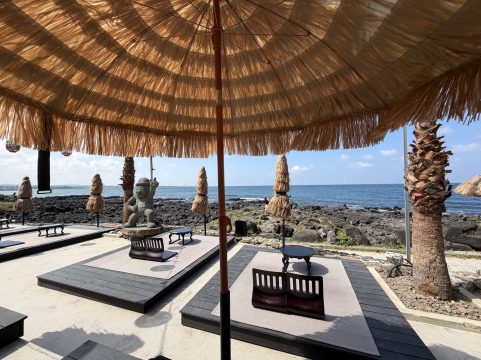
After Ulsan, it was time to leave the mainland behind. Next stop: Jeju. I spent time on the island last year and apparently once wasn’t enough. So here we were again. Another flight. Another rental car. Another few days of driving around an island that already felt a little less unfamiliar than the first time. And a lot of fun ahead.

Read the full story →
There is something about Jeju that makes me want to slow down. The sea is never very far away, volcanic stone seems to appear everywhere, and with a car and no particular reason to rush, getting from one place to another becomes part of the journey.
Last year was about discovering the island. This time, at least partly, was about returning to it. And there were two bar doors I particularly wanted to open again.
FortyFive — I Said I’d Be Back
There is a sentence in the story I wrote about FortyFive last year that makes me smile now: “I knew I’d be back someday.” Well, someday arrived rather quickly.
FortyFive had been one of the biggest surprises of my previous Jeju trip. Hidden away on the second floor, with its vinyl soundtrack, tiny preparation lab, seasonal cocktails and wonderfully warm team, it was one of those places where everything simply came together. So naturally I wondered whether returning would feel the same. It did.
The menu had changed, as it should. FortyFive works seasonally, so the autumn drinks I remembered had made way for something new. New flavours, new ideas, new reasons to become curious. But the things that had made me fall for the bar in the first place were still there.
The atmosphere. The attention to detail. The technical confidence behind the drinks without any need to make technique the star of the evening. And, above all, that warm and wonderfully human hospitality I remembered.

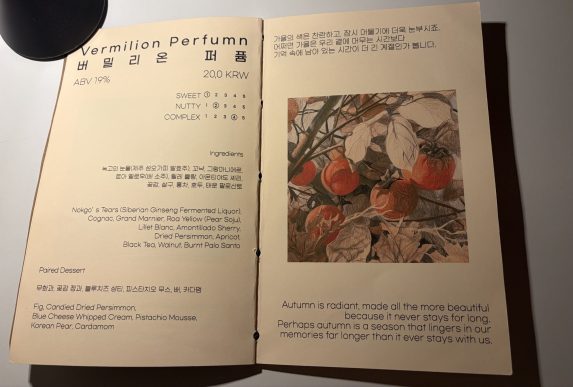

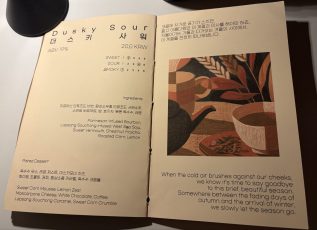
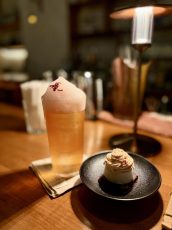
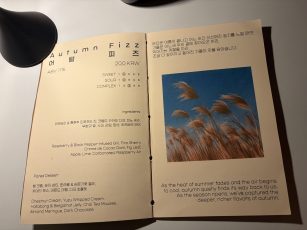
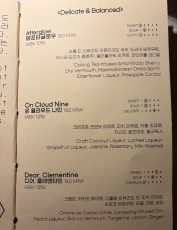
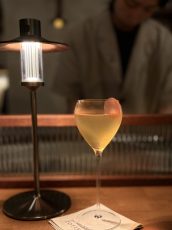

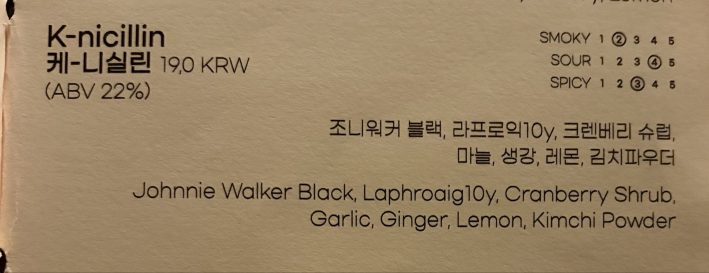
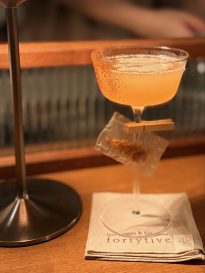
There is something reassuring about returning to a bar and discovering that it hasn’t stood still, yet somehow still feels exactly like the place you wanted to come back to.
Perhaps that is the difference between discovering a good bar and developing a relationship with one. The first time, you are looking at everything. The second time, you can simply enjoy being there.
No Love No Life — Back to the Cabin
And then there was another reunion waiting for us. No Love No Life.
Last year I described it as a Jeju-style lumberjack cabin, and honestly, I still can’t think of a better description. Warm wood, a fireplace, a little mountain-saloon energy and enough cheeky humour to make sure nobody takes the whole cocktail business too seriously. Walking back in felt wonderfully familiar.
And that is very much part of the charm here. No Love No Life has personality. Not the carefully manufactured kind that comes from somebody deciding a bar needs a “concept”, but the kind that comes from the person behind it.
The owner still brings that same down-to-earth warmth and slightly wild sense of humour I remembered. The drinks still manage to be playful without becoming silly, and the whole place still feels like somewhere you should settle in rather than simply stop for one.
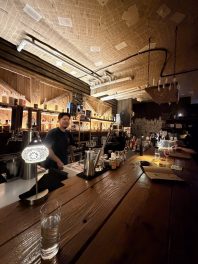
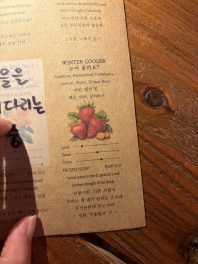


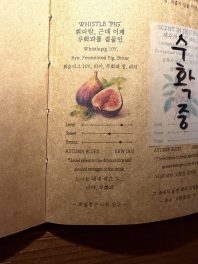
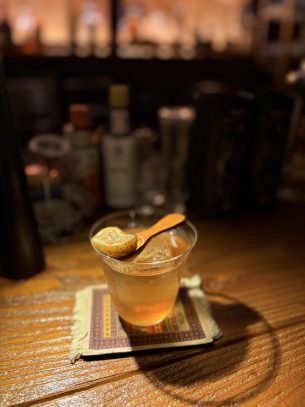
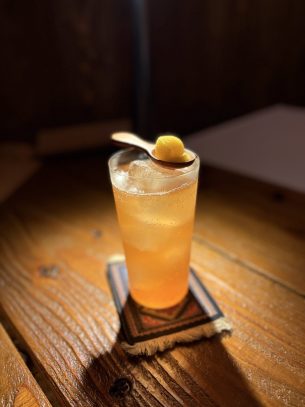
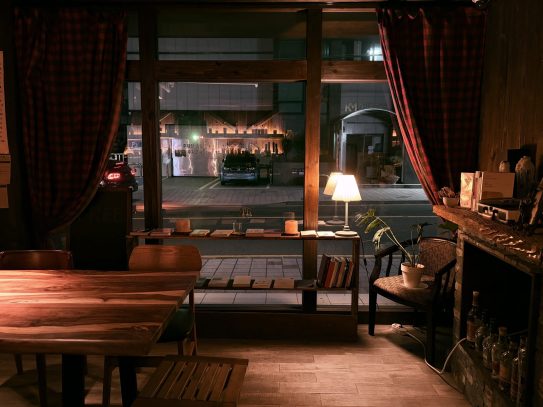
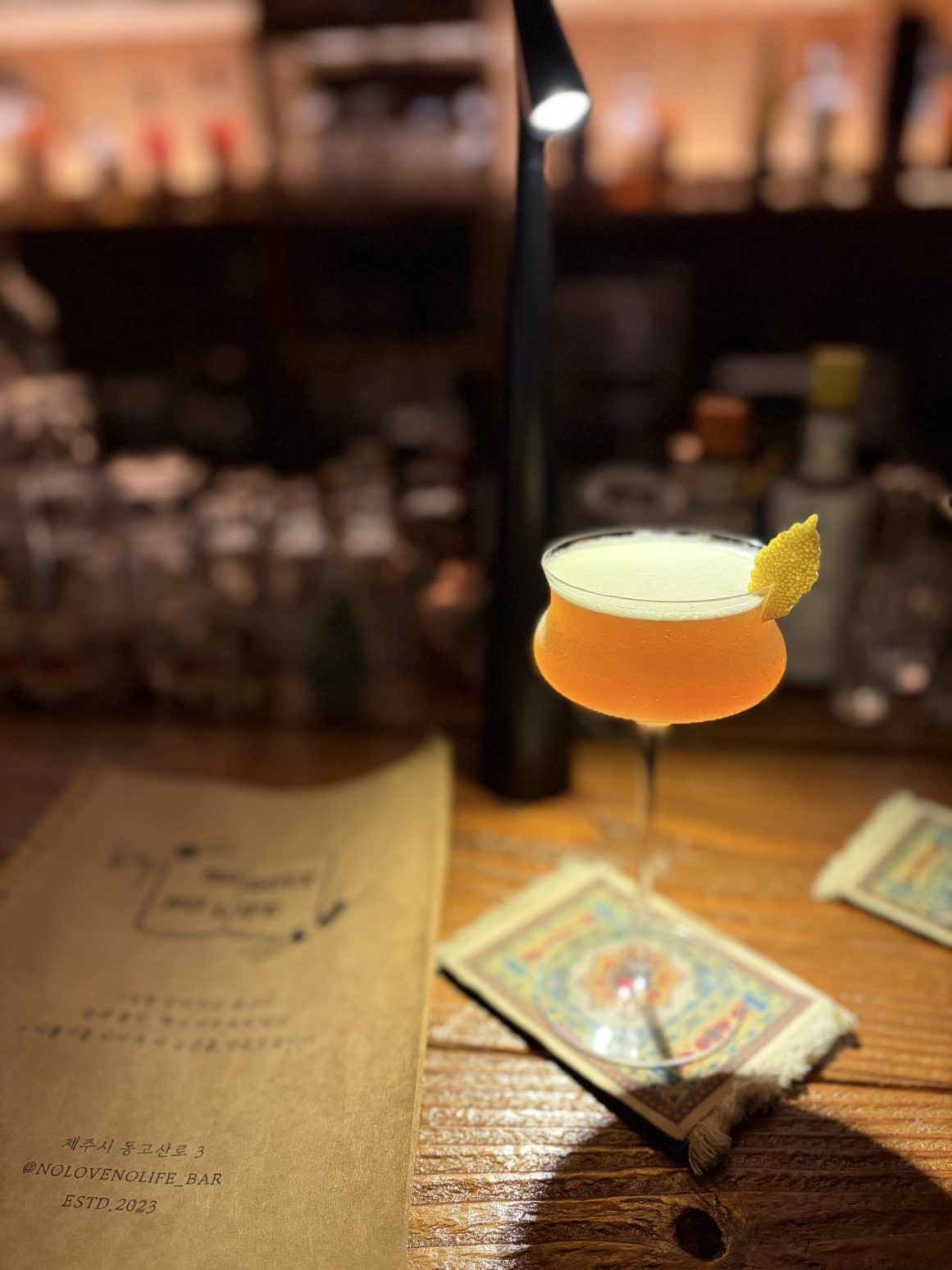
Last year, this bar helped change my mind about highballs. This time, I didn’t need convincing. I just needed another one. And perhaps that sums up returning to Jeju rather nicely.
Travelling is usually presented as a search for the new. New cities, new bars, new flavours, another pin on the map. I love all of that. But I’m becoming equally fond of the opposite.
Recognising the road. Knowing roughly where you’re going. Walking up the stairs to a bar without wondering what you’ll find at the top. Sitting down at a counter you’ve sat at before. Seeing familiar faces. Discovering a new menu in a room you already know.
The first trip is about discovery. The next one is about recognition. Jeju gave me plenty of both.
Another rental car. More kilometres around the island. New drinks, familiar bars, good people and probably more food than was strictly necessary. And when it was finally time to return the car and leave the island again, I had much the same thought as last year.
I’ll be back someday.
Daegu — The City I Almost Underestimated
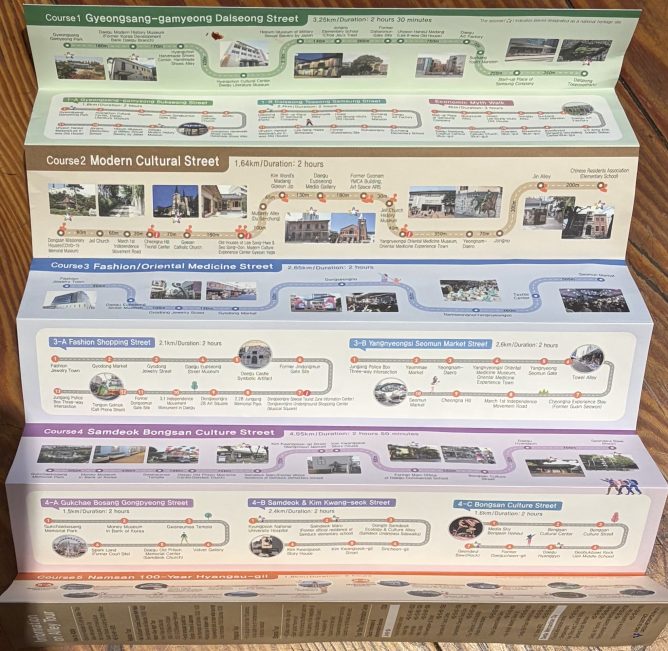
Some cities work hard to convince you that they are interesting. Daegu doesn’t. And perhaps that is exactly why I have grown so fond of it. This was my second visit, and somewhere between long walks through the city, very good coffee, friendly encounters and nights spent at small bar counters, I realised something: I really like Daegu.

Read the full story →
When I first came here, Daegu was something of an unknown quantity. It doesn’t have Seoul’s relentless energy, Busan’s sea, Jeju’s immediate beauty or Gyeongju’s history waiting around practically every corner. Ask travellers about Daegu and you might get a pause before an answer. Even Koreans sometimes seem slightly surprised when you tell them you are spending a few days here.
But this was my second visit, and somewhere between long walks through the city, very good coffee, friendly encounters and nights spent at small bar counters, I realised something: I really like Daegu.
It feels easy. Unpretentious. There are streets that invite you simply to walk without needing a destination, plenty of independent cafés to disappear into for an hour, and a bar scene that seems to operate in much the same way as the city itself. It doesn’t shout particularly loudly about what it is doing. You have to look. And when you do, there are some very good things happening here.
This time I had one place I definitely wanted to return to — Bar Sisu — and two new names on my list. One led me into the precise world of Japanese-style classic bartending. The other took me somewhere completely different, into a serene room where tea rather than spirits seemed to dictate the rhythm.
Three bars. Three very different ideas of what sitting at a counter in Daegu can mean.
Bar Sisu — Coming Back
Some bars you visit because they are new. Others you return to because something about the first encounter stayed with you. Bar Sisu belongs firmly to the second category.
I had discovered this tiny bar on my previous trip to Daegu and already knew before coming back that I wanted another evening there. In fact, returning to Sisu was one of the reasons I was looking forward to Daegu again.
Sisu is a small place, only a handful of seats around the counter, and that’s part of its charm. There isn’t much distance between bartender and guest, either physically or otherwise. It is the kind of bar where conversation develops naturally over the course of an evening and where the stories behind the drinks matter as much as the ingredients themselves.
The philosophy hasn’t changed. Sisu still takes familiar things — memories, local ingredients, everyday flavours — and moves them gently into cocktail territory. And before we had really settled into the evening, something happened that had nothing to do with cocktails and somehow said quite a lot about why I enjoy travelling this way.
A couple had been sitting next to us at the counter. When they left, we discovered that the man had paid for our first drink. We were completely surprised. Why? The answer was wonderfully simple. When he had travelled through Europe, someone had once invited him for a drink in a bar. This was his way of paying that kindness forward.
A drink from a stranger in Daegu, returning a gesture made by another stranger somewhere in Europe. No big occasion. No expectation. Just a small circle of hospitality closing itself thousands of kilometres away. These are the moments you cannot put on a bar list.
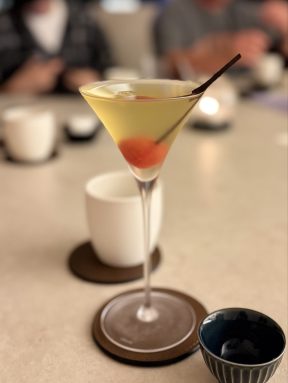


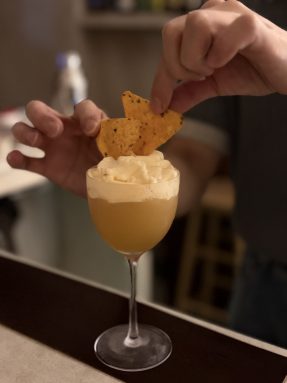


And I was very happy to meet some old friends again. There was Oncheon, a drink I remembered particularly well from my first visit. Its story comes from the owner’s childhood, from mornings when he accompanied his father to the Korean hot springs. Part of that ritual was banana milk, that wonderfully ordinary Korean convenience-store drink that somehow became attached to the memory.
At Sisu, that memory became a cocktail. Cacao- and persimmon-leaf-tea-infused whisky, banana syrup, lemon and clarified milk turn something nostalgic into something much more layered. It is soft, slightly milky, gently acidic and unmistakably banana without becoming a banana cocktail in the obvious sense. More importantly, it tastes like the story makes sense.
And that is something I value enormously in a bar. Storytelling only works when the glass can carry it.
Then there was Tomatini, which had already intrigued me on my previous visit: Korean mint-infused gin, black pepper, fino sherry, dry vermouth, elderflower, tomato, celery bitters and a touch of absinthe. Tomato cocktails can easily become gimmicky, but this one isn’t. It remains recognisably Martini territory while becoming greener, more aromatic and slightly savoury.
That balance is probably why Sisu stayed with me. A good signature cocktail doesn’t need to contain twenty ingredients or arrive surrounded by smoke. Sometimes it simply needs an idea worth telling and a bartender who knows when to stop.
Coming back felt reassuringly familiar. And then it was time to see what else Daegu had been hiding from me.
Bar Soodam — Back to the Classics
Bar Soodam was almost the opposite experience. No elaborate concept-driven signature menu. No fermentation story. No attempt to reinvent the cocktail. Just classics. And I mean that as a compliment.
There is something increasingly refreshing about sitting down in a bar where the question isn’t What new thing have you invented? but rather How well can you make something we already know?
Soodam has a distinctly Japanese sensibility. The room is quiet and restrained, the service polite and attentive, and behind the counter is an owner who takes his work seriously. Very seriously.
The Japanese influence isn’t simply an aesthetic one. You can see it in the way the bartender works: the attention given to ice, citrus, temperature and preparation; the deliberate movements behind the counter; the absence of unnecessary theatre.


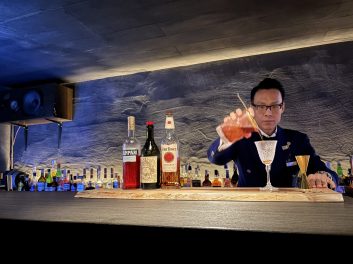
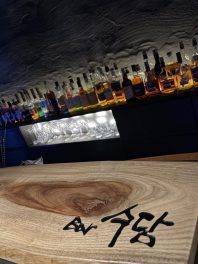

Researching the bar afterwards confirmed what I had felt sitting there. Other guests describe watching the owner carve ice and squeeze citrus only after an order has been placed. There is even an unusual level of attention given to the bottles themselves — including how long a spirit has been open and where it is in its life behind the bar. That tells you quite a lot about the person making your drink. There is no need for a signature cocktail when the signature is in the way a classic is prepared.
I like bars like this because they remind us of something that sometimes gets lost in our current obsession with techniques, homemade ingredients and increasingly complex menus. Classics are unforgiving. There is nowhere to hide in a Daiquiri. A Sidecar cannot be rescued by a clever garnish. And when a Martini is not balanced, you know immediately.
At Soodam, the craft itself takes centre stage. It also felt wonderfully removed from the constant race for novelty that surrounds modern cocktail culture. I love experimentation — anyone who reads Barstalker knows that — but innovation only becomes interesting when there is a solid understanding of what came before it.
Sometimes I want fermented this, clarified that and an ingredient I need Google Translate to identify. And sometimes I just want to sit at a counter and watch someone make a very good classic cocktail. Soodam gave me exactly that.
Sozi — When Tea Sets the Pace
And then came Sozi. This one surprised me. Walking into Sozi feels less like entering a conventional cocktail bar and more like entering a space designed to make you slow down. There is something immediately serene about it. The room doesn’t demand your attention; it gradually takes it.
Wood. Natural tones. An old building. A quiet counter. And tea. Lots of tea.
Only afterwards did I learn how deeply all of that is connected. Sozi was founded in 2022 by Kwak Jun-gyeong and Seong Jong-hun, two friends who met while studying design at university. Before there was a tearoom, there was already Sozi as a design idea, and the physical space became an extension of it.
Even the name carries part of the philosophy. Sozi — 燒紙 — means burning paper. It refers to the practice of writing wishes or thoughts onto paper and burning them. The idea behind the space was that people might come in, sit down over tea, leave something difficult behind and walk out feeling a little lighter. Suddenly the calmness of the room made even more sense.
Sozi occupies the second floor of a building dating back to the 1930s, and rather than erasing its age, the founders kept parts of it visible. Old wooden beams and pillars remain among the restrained beige and natural surfaces. It feels considered without feeling overly designed.

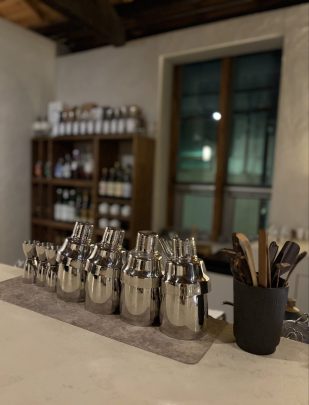
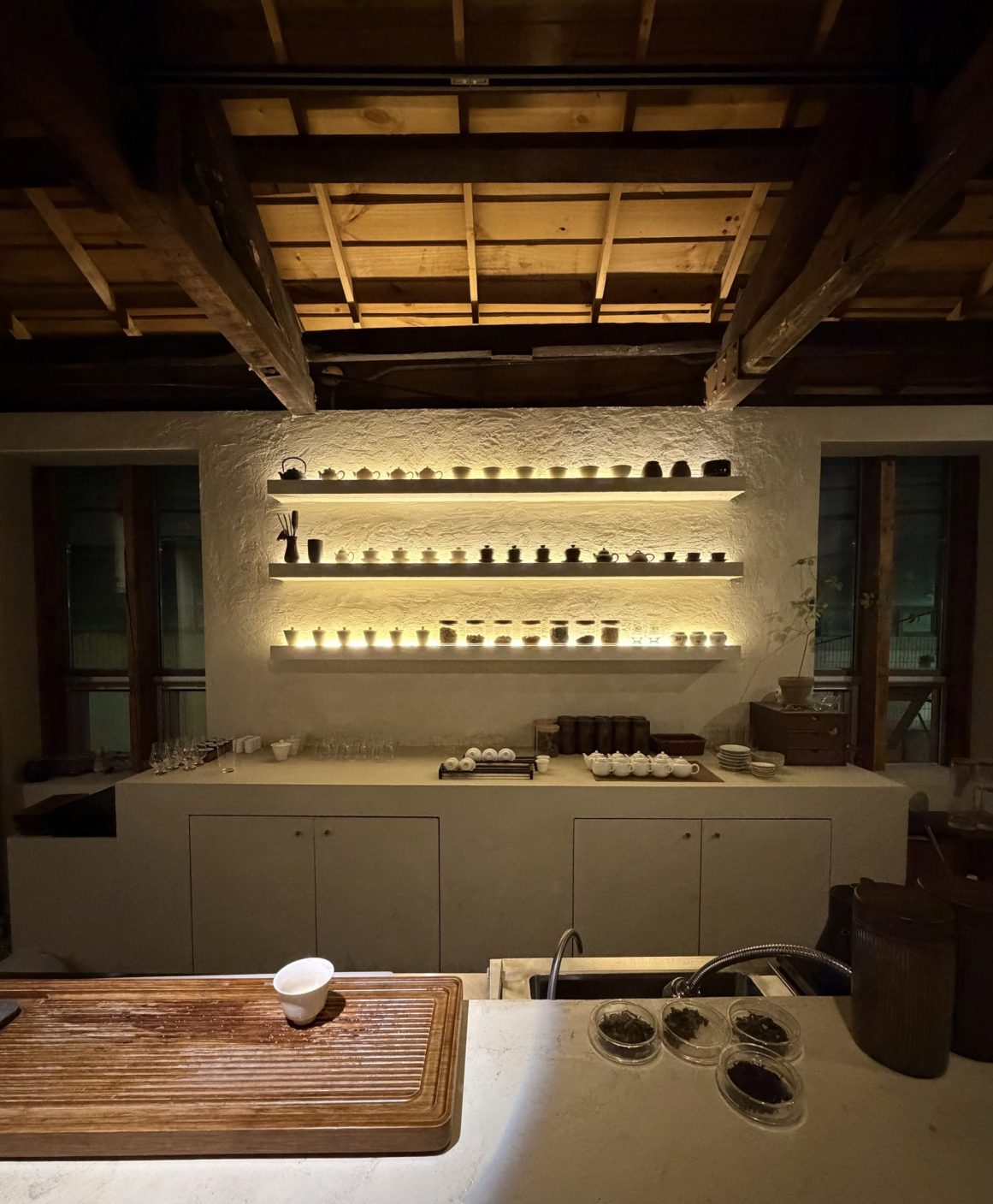
Perhaps because the people behind it are designers, nothing seems accidental. But what interested me most was the counter. There are tables, of course, but I am a counter person. Always have been. Give me a proper seat at a bar where I can watch someone work and eventually start a conversation, and I am happy. At Sozi, that familiar bar ritual happens through tea.
And that distinction is important because Sozi isn’t a cocktail bar that decided tea would make a fashionable ingredient. Tea came first.
The original idea was to introduce people, particularly younger guests, to a broader world of tea without all the formality that can sometimes make tea culture feel inaccessible. Jeju teas played an important role from the beginning, alongside teas from China and Taiwan. Guests could sit at the counter, watch the preparation and talk about what was being poured.
Eventually, cocktails became another language through which Sozi could explore tea. And that is where things became particularly interesting for me.
Instead of starting with gin or whisky and asking which tea might work with it, the impression is almost reversed: start with the character of the tea and build outward from there. Oolong. White tea. Hojicha. Kombucha. Then spirits.

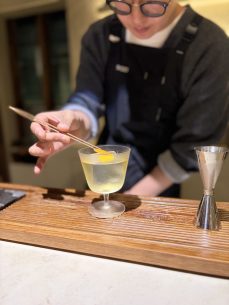


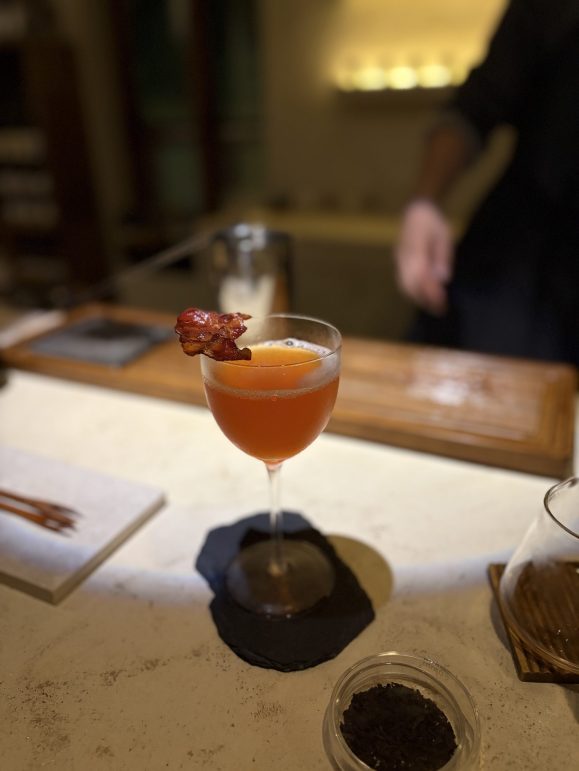

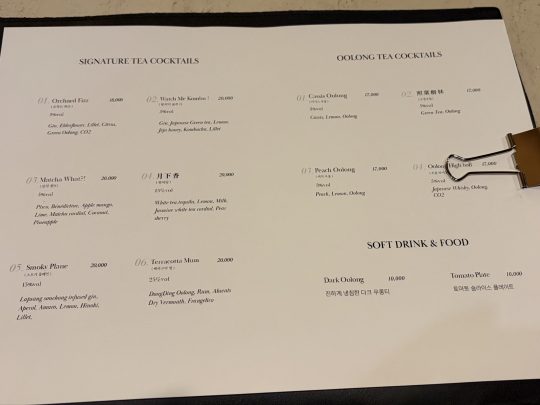
It creates a very different drinking rhythm. The menu itself continues the design philosophy of the room, beautifully presented and tactile rather than simply functional. And once we started drinking our way through it, the connection between tea and cocktail became even clearer.
Matcha What?! — 5% ABV | Pisco, Bénédictine, apple mango, lime, matcha cordial, coconut and pineapple. The lightest of the four at just 5% ABV. Matcha can easily dominate everything around it, but here it was allowed to sit among tropical fruit rather than shouting over it.
Smoky Plane — 15% ABV | Lapsang Souchong-infused gin, Aperol, amaro, lemon, hinoki and Lillet. Smoky Plane moved into a completely different register. The Lapsang Souchong brought the smoke, but tea wasn’t simply another flavour in the recipe; its character helped define the drink itself.
月下香 — 15% ABV |White tea, tequila, lemon, milk, jasmine white-tea cordial and pear sherry. Floral, delicate and quietly complex, it was perhaps the clearest example of how naturally tea can move into a cocktail without losing its own identity.
Terracotta Mum — 25% ABV | Dong Ding oolong, rum, absinthe, dry vermouth and Frangelico. The strongest of the four. On paper, that combination could easily become heavy. Instead, the roasted depth of the oolong gave the richer ingredients somewhere to go.
Four drinks, four very different expressions of tea. But what stayed with me most wasn’t one particular ingredient. It was the atmosphere. Serene is probably the word.
There are bars where music, conversation and shaking tins create the energy. Sozi works differently. Here, the preparation of tea becomes part of the performance. Water, temperature, time, aroma. Small movements. Waiting.
Nothing seems rushed. And perhaps that is why cocktails make so much sense here. Tea and cocktails actually share more than we sometimes acknowledge. Both depend on extraction, dilution, temperature and time. Treat either carelessly and you lose what makes it interesting. At Sozi, those two worlds seem to meet very naturally.
A City Worth Looking At Twice
By the end of this visit, I found myself thinking about my first impression of Daegu. Nice city. A few days. Good coffee. Interesting bar. Move on. I was wrong.
Not because Daegu suddenly revealed some enormous secret nightlife district or because I discovered dozens of internationally decorated cocktail bars. Quite the opposite. What I like about Daegu is that the good things feel smaller and more personal. Sisu, Soodam and Sozi couldn’t be more different.
At Sisu, contemporary Korean ingredients and personal memories become cocktails. At Soodam, the focus moves back towards the discipline of the classics and the quiet precision of Japanese-school bartending. And at Sozi, the starting point isn’t cocktail culture at all, but tea, design and ritual.
Three counters. Three completely different philosophies.
And all in a city many people barely consider stopping in. There were good walks in between, very good coffee, friendly people and enough small discoveries to make those few days disappear much faster than expected. Daegu still doesn’t shout. Maybe that is its strength. You have to give it a little time. Walk another street. Open another door. Sit down at another counter. And order one more drink. Daegu has quietly become a return place.
But this journey was not finished yet. From Daegu, we turned back towards somewhere already familiar — Gyeongju. I had been there before too, but returning to a place is never quite the same as discovering it for the first time. There were familiar streets waiting for us, old favourites behind the bar, and, as I would soon discover, another reason to look at Gyeongju with fresh eyes.
Gyeongju — The Places That Pull You Back
After Daegu, we continued to Gyeongju. Gyeongju has a certain pull on me. I felt it on my first visit, I felt it when I returned last year, and apparently it hasn’t weakened. There is something about this city — the tombs rising quietly between streets and houses, the history that never seems very far away, the light in the evening, the slower rhythm — that makes me want to stay.

Read the full story →
Although “slow” wasn’t exactly the word for Gyeongju this time. We arrived around Chuseok, one of Korea’s most important holidays, when families traditionally come together and many people travel across the country. And the city was busy. Very busy. Families, visitors, traffic, people everywhere. The streets around the main sights were full and Gyeongju was clearly not ours alone to enjoy.
But amid all of that, we were returning to something wonderfully familiar. We stayed once again at Stone Lantern House, a traditional hanok stay run by the mother of Bar Boon’s owner. I loved staying there last year, and coming back felt different from checking into just another place to sleep. There was recognition. Familiar surroundings. The garden, the hanok, the feeling of having been here before. It is one of those connections that travelling sometimes gives you unexpectedly.
You initially arrive because of a bar. You meet someone, one introduction leads to another, and a year later you find yourself returning not simply because it is convenient, but because you genuinely want to see the people again. The bars may have been what first brought us together, but by now, Gyeongju feels more personal than that.
Bar Prep — More Than a Favourite Bar
And then there is Prep. I have quite a few favourite bars, but Bar Prep is different. It has become one of my absolute favourites in Korea, regardless of city. And every time I return, I understand a little better why.
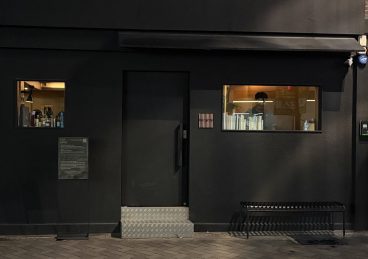
It starts with the room. Prep is cosy without being too small. The bar counter is wonderfully comfortable — important when you have absolutely no intention of leaving anytime soon — and gives you the perfect place to sit, watch and talk.
Then there is the location. With one of Gyeongju’s ancient tombs right in front of the bar, the city somehow becomes part of the experience. You couldn’t simply pick Prep up and put it in Seoul, Busan or somewhere else. It belongs here.
And then, of course, there are the drinks. There wasn’t a completely new collection waiting for me this time, and I didn’t need one. I already knew some of these drinks and how good they could be. They still were. Thoughtful, composed and beautifully balanced, they reminded me why I was so impressed in the first place.
Joa, Bar Prep’s manager, has a remarkable understanding of how a drink is structured. There is creativity, certainly, but also restraint. Flavours have a reason to be there. Nothing seems added simply to make a cocktail sound more complicated than it needs to be. What I admire just as much is the humility behind it. She is professional, knowledgeable and seriously good at what she does, but without any need to turn that knowledge into a performance. And that spirit seems to run through the whole team.


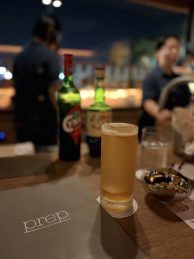

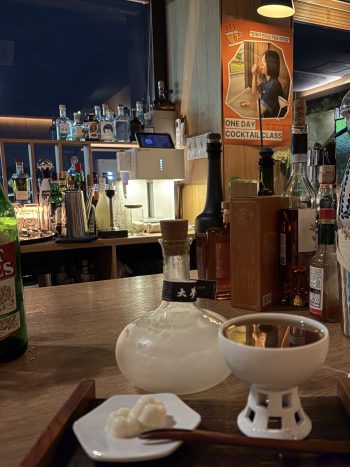

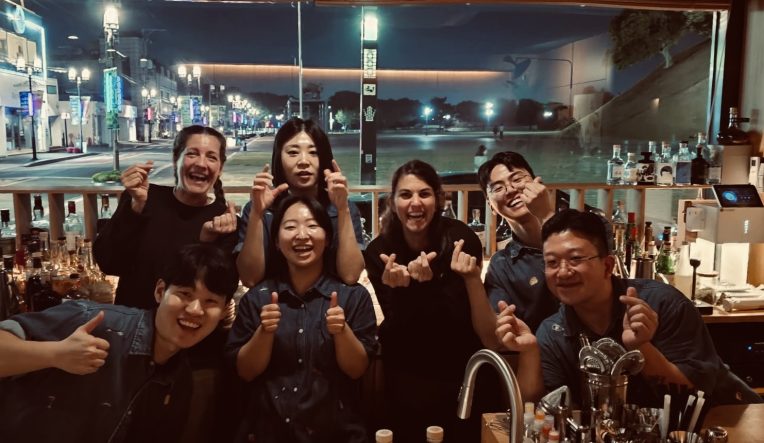
There is a wonderfully flat feeling to the hierarchy at Prep. Everyone has room to contribute, develop ideas and put something of themselves into the place. They work together rather than around one another.
Even the shirts tell you something about that. Jiwan, part of the Prep team, makes them herself for everyone. I love that detail. Not because a handmade shirt somehow makes a cocktail taste better, but because it says something about the culture of the place. People contribute. They create things for one another. There is a sense that Prep belongs to the team rather than simply being somewhere they work. And you can feel that from the other side of the counter.
So obviously, I had to have a shirt too. And now I do.
I particularly love the strong female energy here. It makes Prep feel safe, cosy and energetic at the same time. There is confidence without ego and professionalism without distance. Add genuinely delicious food, thoughtful drinks and warm hospitality and, yes, I could quite easily spend every evening here.
But even that doesn’t completely explain why Prep has become so important to me. It is the conversations. There is always something to exchange here: thoughts, ideas, experiences. There is a lot to learn, but it never feels like somebody is trying to teach you. Conversations simply happen, often beginning with what is in the glass and ending somewhere completely different. And when you come back, they continue.
That is when a favourite bar starts becoming something else. After a while, you stop feeling as though you are returning to a bar. You feel as though you are returning to people.
Bar Boon — A New View
Of course, Gyeongju wasn’t entirely about the familiar. Bar Boon has changed since my last visit, and this time there was also something new to see: the recently opened Woljeonggyo branch.
The setting alone makes it worth stopping by. Occupying a former café near the Namcheon stream, it sits close to Woljeonggyo Bridge and feels very different from the Boon I knew before.
From outside, the openness of the building makes it look almost like an aquarium. You can see right into it. Inside, however, it becomes surprisingly cosy, particularly in the evening. I especially liked the illuminated bottles tucked into the wooden roof structure above the bar. It is a clever little detail that gives the room its own identity while still allowing the architecture and surroundings to do much of the work.
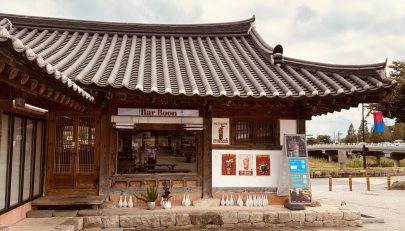
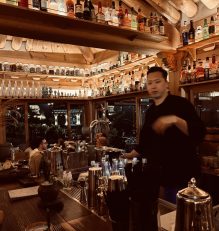

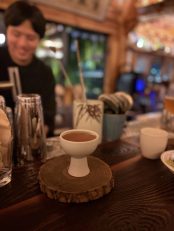
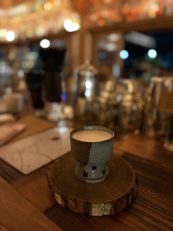

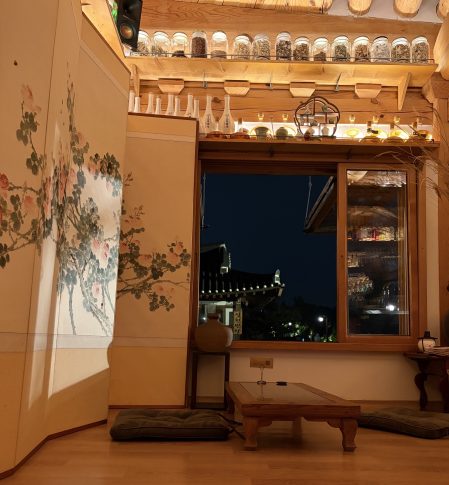
And those surroundings are difficult to compete with. With Woljeonggyo illuminated nearby, you don’t really need to. The branch feels adapted to this particular part of Gyeongju rather than simply being another version of the original bar. There is also a proper kitchen, and the food was delicious — always a very good argument for staying for another drink.
It was nice to discover something new. But this visit also reminded me that returning doesn’t mean expecting everything to remain exactly as you left it. Bars change, teams change, atmospheres change. Relationships with places change, too.
And perhaps that’s why this visit to Gyeongju felt less about revisiting bars and more about understanding what actually keeps pulling me back. A familiar hanok. Seeing Jay’s mother again. Sitting at Prep’s counter. Joa, Jiwan and the team. Conversations that don’t have to begin from zero. New things appearing alongside places that somehow feel even more familiar than before.
Outside, Gyeongju was overflowing with Chuseok visitors. Somewhere among all those people, I felt strangely at home.
Some bars give you a reason to visit a city. But eventually, it isn’t the bars you return to. It’s the people.
Seoul — One Last Round
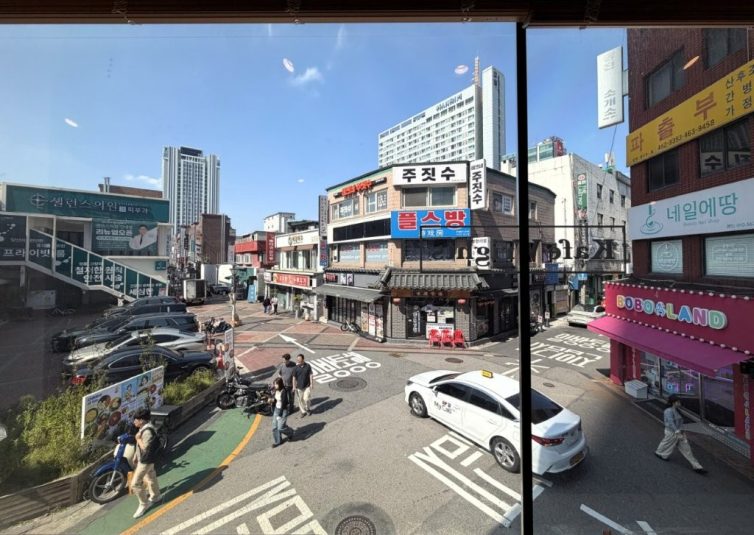
And just like that, we were back in Seoul. Our final week in Korea. After weeks of travelling, returning to familiar places, discovering new ones and spending rather a lot of time at bar counters, Seoul felt like the right place to finish. There were familiar faces, new discoveries and a few lovely coincidences waiting for us. One last round, then. Although leaving Korea never seems to get any easier.

Read the full story →
There was still plenty to do. Coffee, of course. A little shopping. Korean beauty products that somehow always find their way into my luggage. A few more books to help me learn Korean, although I’m not entirely sure when I’ll find the time to work through them all. And the pleasure of simply walking through the city without needing to be anywhere in particular.
And then there were the bars. Oh, the bars. Seoul has so many excellent cocktail bars that even several weeks wouldn’t be enough to visit them all. And I’ve long since stopped trying. There is no point turning something I love into a race from one counter to the next. So this time, I chose a handful. Some familiar, some new, all places I genuinely wanted to visit.
Cham in Season — Worth Coming Back For
I’m a big fan of Bar Cham and Cham in Season. Have been since my very first sip. These are places that stay on my mind between trips, and naturally I wanted to return. Getting a seat at Cham in Season isn’t always easy, which perhaps says something about how many other people feel the same way. But we were lucky. We found ourselves sitting right at the bar. Exactly where I like to be.
We had the chance to explore the new menu, and once again the drinks were beautifully made, full of flavour and simply delicious. The team has a way of making cocktails that feel exciting without losing sight of what matters most: how good they actually taste.
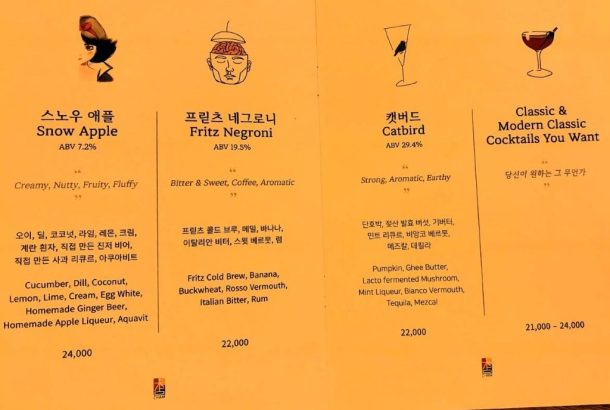
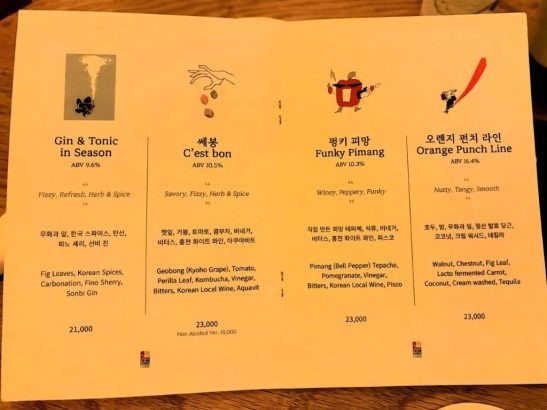
But what made the evening particularly special wasn’t only what was in the glass. It was that familiar feeling of recognising people, being recognised and picking up a little of the connection from previous visits.
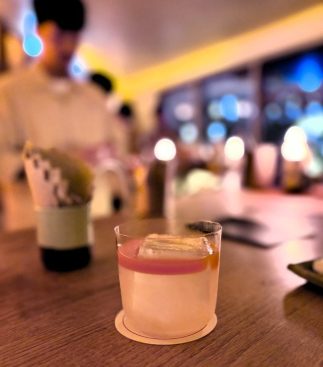


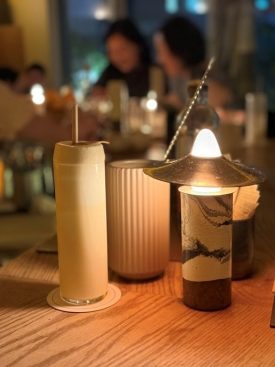
I’ve written about this throughout my journey, but it still makes me happy every time it happens. A bar becomes something different when you no longer feel like a complete stranger walking through the door. And Cham in Season gave me another reason to look forward to coming back to Seoul.
Pomme — A Small Bar World
And then there was Pomme. What an evening that turned out to be. I was sitting at the bar when a lovely woman nearby seemed to be trying to catch my attention. It took me a moment to understand why. We had already met. Or, more precisely, we had already sat next to each other at Bar Sisu in Daegu. What are the chances? There we were, in another city, at another bar, finding ourselves at the same counter again. It made me smile. Apparently we have rather similar taste in places to drink.
And there was more. The man sitting next to me turned out to be the brother of someone working on the bar team. Another lovely conversation followed, and before I knew it, the evening had become longer and involved a few more drinks than originally planned.

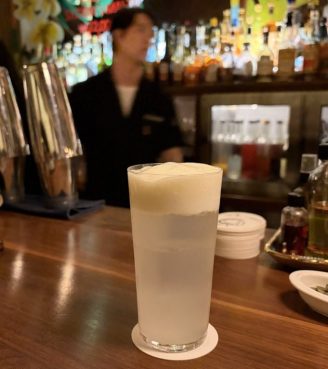
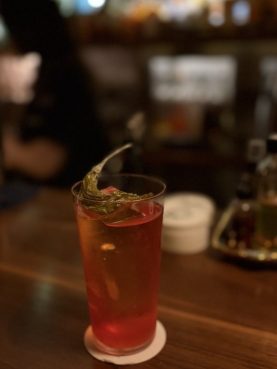

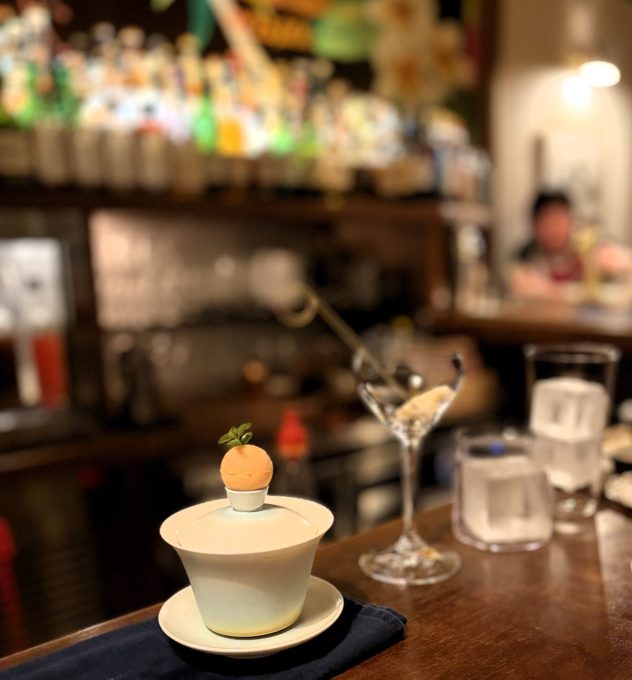

I love moments like these. You arrive somewhere because you’re curious about the bar, and then the people around you turn the visit into something entirely different. Conversations begin with cocktails and wander off into other subjects. You exchange experiences, share thoughts, laugh and suddenly realise how small the bar world can feel, even when you’re travelling thousands of kilometres from home. Pomme gave me one of those evenings I couldn’t have planned if I’d tried. And that’s exactly why I enjoyed it so much.
More about Pomme and Find Pomme on Insta
Bar Tea Scent — When Tea Takes the Lead
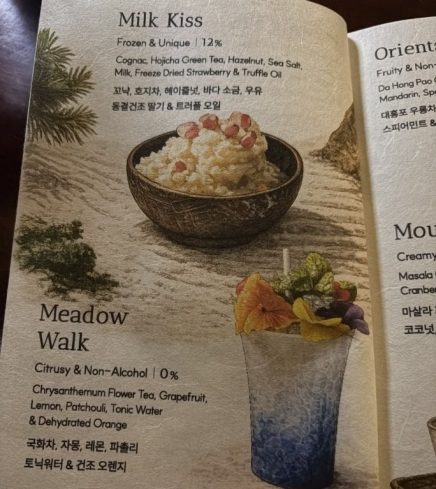
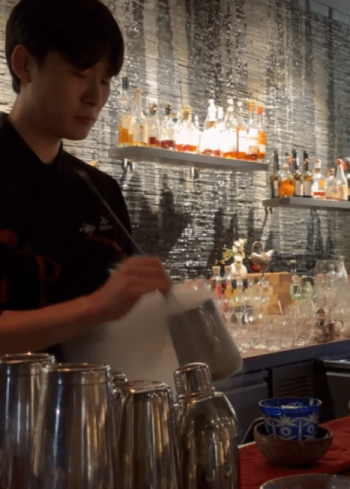
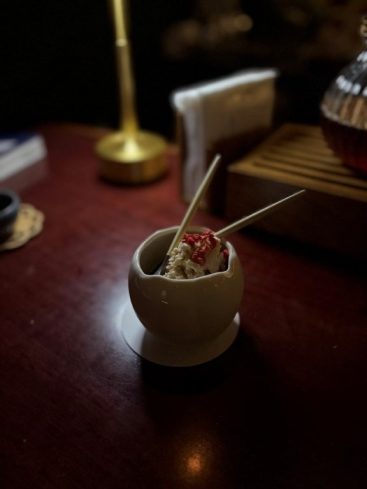
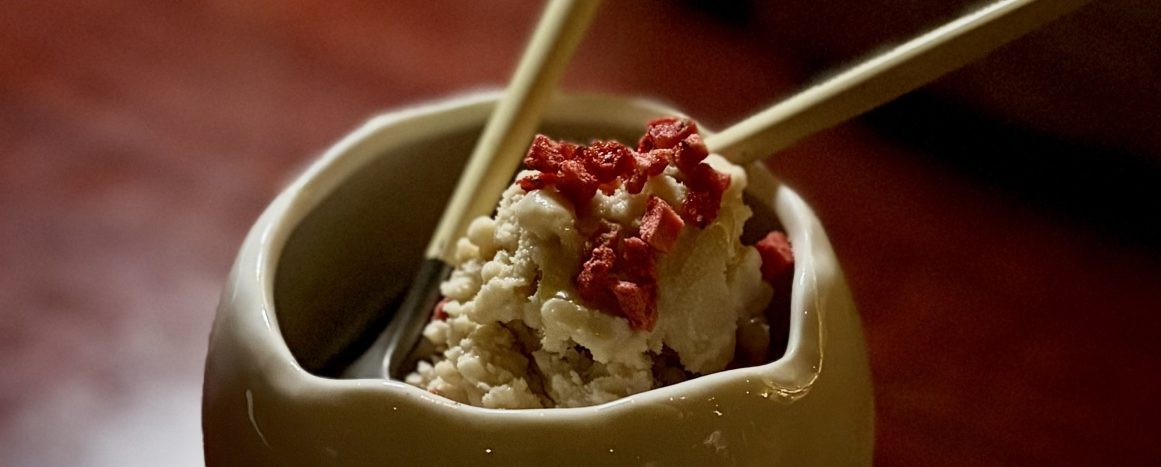
Bar Tea Scent had been on my list for quite some time, and this time I finally made it. Located in Gangnam, the bar has built its identity around something I find particularly fascinating: tea. Not simply as an ingredient added to a cocktail, but as the starting point for the entire drink.
The concept is reflected in the room itself. With its calm atmosphere, Asian-inspired design and flowing water, Tea Scent feels like a contemporary tea house that happens to serve rather sophisticated cocktails. And I liked that idea immediately. Here, different teas, their aromas and the way they are prepared become central to the drinks. It’s a lovely reminder of just how much depth tea can bring to a cocktail when it’s treated with the same attention as a fine spirit. Behind the concept is Andy Yoon, working with a team that approaches tea and mixology with curiosity and precision.
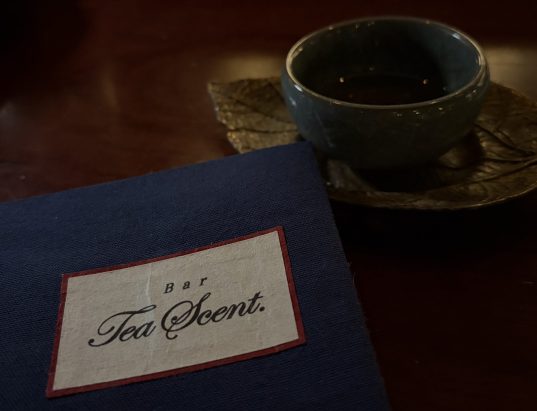

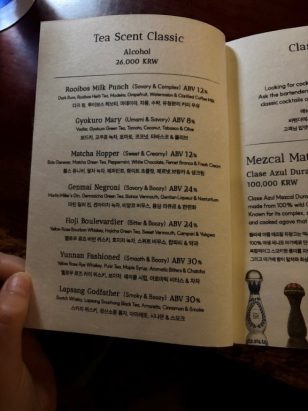
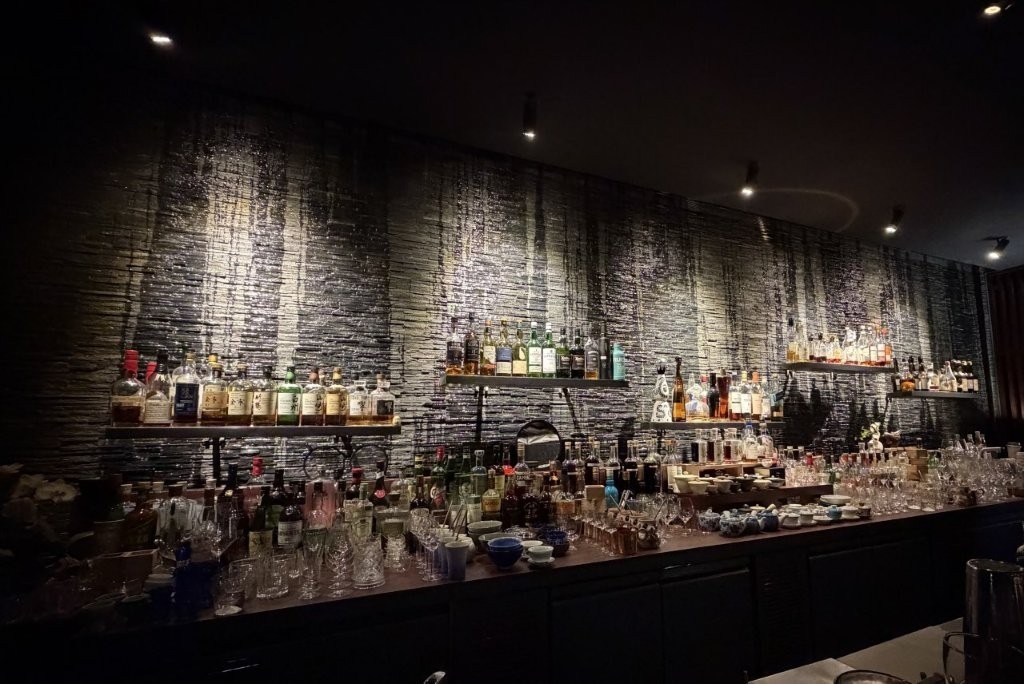
What I particularly enjoyed was how naturally the concept carried through the experience. The drinks and the room seemed to speak the same language. And that’s something I always appreciate. A bar concept shouldn’t need a lengthy explanation to make sense. Ideally, you should be able to feel it.
Ace Four Club — A Winning Spirit in Euljiro
And then there was Ace Four Club, one of the lovely surprises of our final days in Seoul. Tucked away in Euljiro, a neighbourhood where old workshops and industrial buildings now share the streets with cafés, restaurants and bars, Ace Four Club has a very different energy from Tea Scent.
A little hidden, a little moody, with music, low lighting and the feeling of having found somewhere you might easily have walked past.
Behind the bar is some serious talent. Damon Park won the 2025 Diageo World Class Korea competition, and that level of experience is reflected in the bar’s approach to drinks. But what interests me about awards isn’t the title itself. It’s what happens afterwards, when all that knowledge and skill meet an actual guest sitting at the counter.
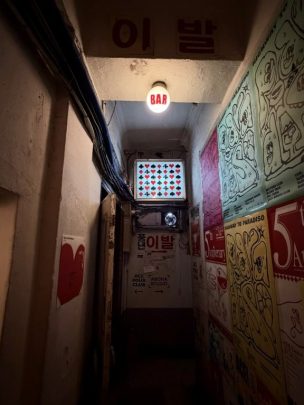
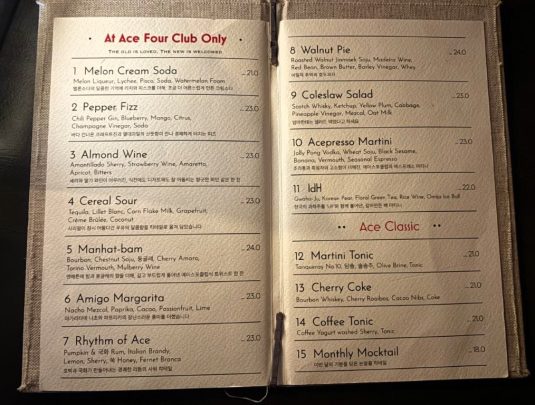
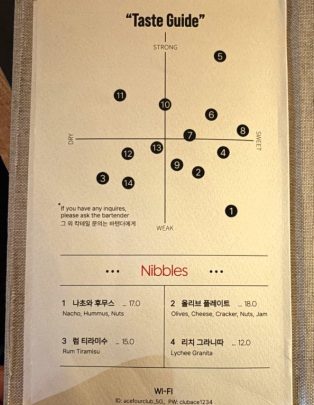
Ace Four Club’s approach combines carefully executed classics with creative signatures. I particularly like the idea of a menu that helps guests understand the flavour profile, sweetness and strength of a drink before ordering. It’s a small but thoughtful way of making serious cocktail craft more approachable. And that’s where technical excellence becomes hospitality. We had a very enjoyable evening, and I left pleased that we’d discovered another bar with its own character in a city already overflowing with excellent places to drink.


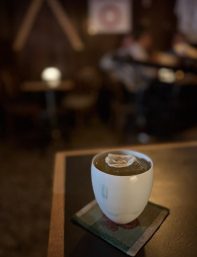
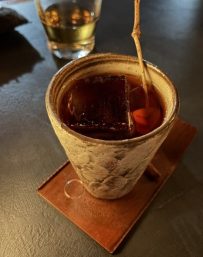

Seoul certainly doesn’t make choosing easy. But perhaps that’s a rather nice problem to have.
Gong Gan — One More Familiar Stop
And before leaving Seoul, I returned to Bar Gong Gan. Simply because I like it there. Tucked away near Anguk Station, Gong Gan is one of those places where the setting alone makes me happy. A beautiful traditional hanok, light wood, a glass-enclosed inner courtyard and an atmosphere that somehow makes the busy city outside feel very far away.
I remembered the hospitality, the conversations across the counter and the thoughtful approach to cocktails. Sustainability is an important part of the bar’s philosophy, with house-made ingredients, creative ways of using what might otherwise go to waste, and small bites that are part of the experience rather than an afterthought. And this time, my timing was almost perfect. Almost.
I arrived exactly one day before the launch of the new menu. But honestly, I didn’t mind. There were still drinks from the previous menu I remembered very fondly, and I was more than happy to enjoy them again.

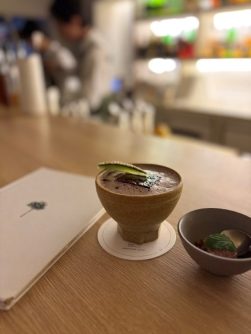

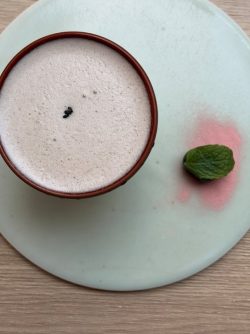
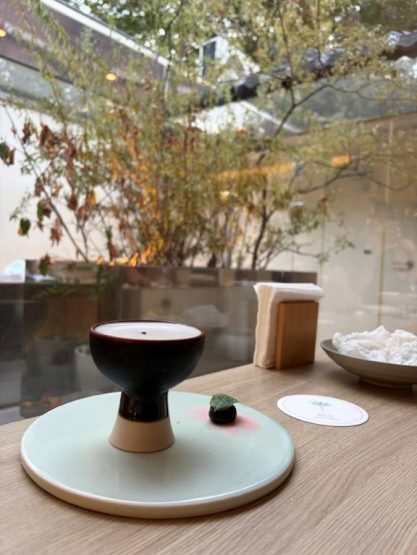
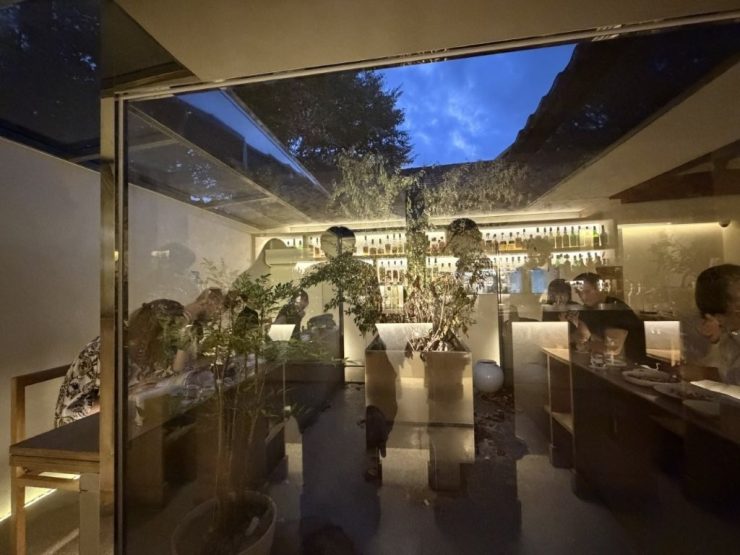
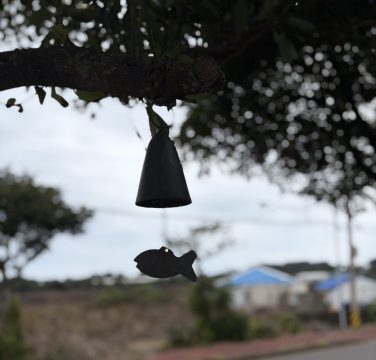
Cocktails like Wind-bell, with its playful connection to Korean history and that wonderful chiming mug, or Connected Circle and Mora, whose stories go far beyond their ingredients, had already made an impression on me during my earlier visit. And sometimes it’s rather nice to return to something you know.
A new menu is always exciting, but it isn’t the only reason to visit a bar. Sometimes it’s the pleasure of sitting in a beautiful room again, enjoying a familiar drink and picking up another conversation with the people behind the counter.
That may not sound like a particularly elaborate reason to return. But after all these years of travelling for bars, I’ve come to think it’s one of the best. One more visit. One more drink. One more familiar bar counter before heading home. And as for that new menu? Well, I suppose Gong Gan has already given me another reason to come back to Seoul.
Final Thoughts — Thank You, September
And then, suddenly, it was time to leave. I always find the end of a Korea trip a little strange. After weeks of travelling, the rhythm of everyday life here starts to feel familiar. Ordering coffee. Finding my way around. Hearing Korean spoken everywhere and understanding a little more of it each time. Deciding where to eat and wondering which bar to visit next.
And just when I begin to settle into it, it’s time to pack. This year, a few small things stayed with me. For one, I noticed more babies on the streets than on my previous visits. South Korea’s famously low birth rate has been a concern for years, so it was interesting to see even a small sign of something different. The country’s fertility rate has recently begun to rise again, although it remains among the lowest in the world. Of course, a few more prams on the streets aren’t a demographic study. But I enjoyed seeing them all the same.
I also confirmed something I’ve suspected for a long time: Korean towels are mysteriously tiny. Seriously. Why are they so small? I still haven’t quite made peace with that.
And there was one very satisfying culinary discovery. After eating kimchi throughout the trip, I realised that the kimchi I make at home actually tastes like Korean kimchi. A small personal victory. But one I’m rather proud of.
Beyond those little observations, there was something else this journey reminded me of. Travel with respect, and very often you receive the same in return. Be curious. Listen. Make an effort. Learn a few words of the language, even if you get them wrong sometimes. Show genuine interest in the people you meet. I don’t think hospitality is something you should simply expect because you’ve walked into a bar or booked a room. It’s an exchange, and being a good guest matters too.
I’ve experienced so much warmth on this journey. At bar counters, in cafés, during conversations and in moments that had nothing to do with cocktails. And somewhere along the way, Korea has become more than a destination I enjoy visiting. It’s a place I keep wanting to understand a little better. A place where I now have favourite streets, favourite bars and people I genuinely look forward to seeing again.
When I started these K-Pour Chronicles, I knew there would be good drinks. I didn’t know quite how many familiar faces, conversations and little moments would find their way into the stories. The familiar smile at Make Zero. Returning to FortyFive and No Love No Life on Jeju. Another Oncheon at Bar Sisu. The wonderful team at Prep. An unexpected reunion at Pomme.
Different cities. Different bars. Different people. And somehow, a feeling of familiarity growing with every visit. Perhaps that is what these chronicles have really been about all along. Not collecting bars. Collecting connections.
Thank you, September. You treated me very nicely. And thank you, Korea. I’ll be back.